

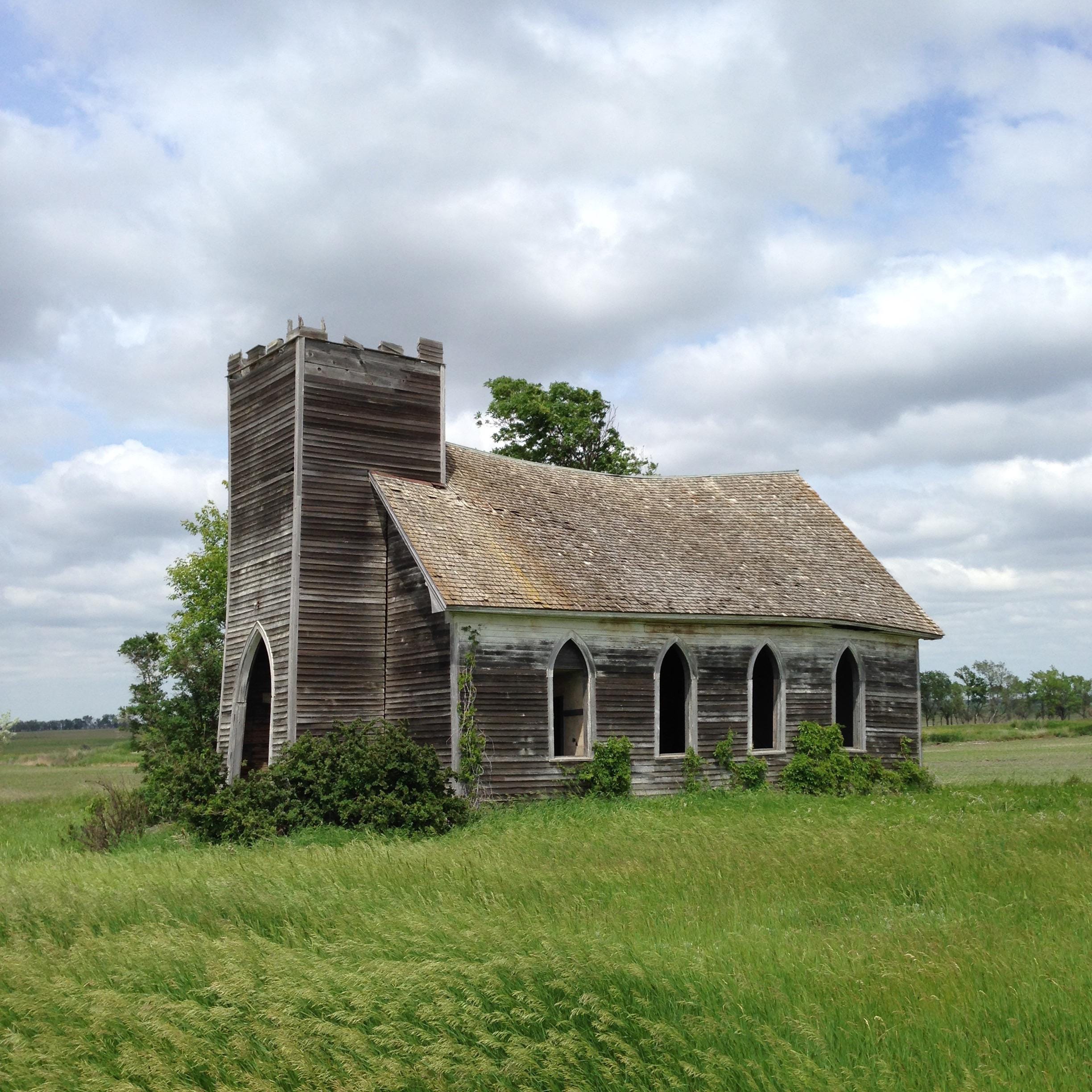
Now that I’m back to providing regular commentary here, I’m eager to catch up on a couple of big news stories that popped up in the past few months.
The first of these is something I wasn’t exactly prevented from commenting on in this newsletter, but—well, discretion is the better part of valor. Given the possibility I could end up in a general election in a fairly conservative district, there were some issues I didn’t necessarily want to emphasize. So on one really important long-term story, I had to settle for a link in a news round-up, but without jumping up and down as much as I would have liked about it.
Now it’s time for the jumping up and down.
I’ve written many times before about one of the big and largely unrecognized stories of the past three decades: the accelerating decline of formal religious belief in America. This is actually an older story. The modern conservative movement was founded by William F. Buckley decrying the collapse of religious belief among intellectuals in the Ivy League. But in the last few decades, this is something that has spread to the general public and become a truly popular, grassroots phenomenon.
I drew attention to this trend a few years back after we got the news from a Pew poll in 2021 in which those who identify their religious beliefs as “nothing in particular” were 30% of the US population. That’s larger than evangelical Christians, larger than Catholics, and larger than any other category or denomination. “Nothing in particular” does not mean that these are all atheists. Committed unbelievers are a larger percentage of the population than they used to be, but we’ve gone from being a tiny minority to a small minority. But while many of the “nothing in particulars” are open to a vaguely “spiritual” dimension of life, they do not have any definite theological commitments and the do not attend any church.
The next big piece of information was about the rate of change, the rate of “religious switching”: the number of religious people who lose their faith, versus the number of unbelievers who find God. These rates are pretty lopsided. The believers are falling away in much higher numbers, and by some projections Christians may no longer be a majority in this country in a few decades.
In the last few months, we’ve gotten another piece of information that is even more surprising: The fading of religious belief is coming to the heartland, too. Even the Bible Belt is giving up on the Bible.
