

I haven’t posted in a little while, because I’ve been sweeping away the last of my post-campaign work and finishing up some commitments elsewhere. But there is a lot of stuff that will be coming out of the logjam soon.
The last of those outside commitments is a live-stream tonight for The Atlas Society on the rising campaign against data centers. That seems like a great tie-in to Part 3 of my observations on what I learned while campaigning for office, because my campaign coincided exactly with the period in which Americans suddenly decided they hate data centers.
The NIMBYs Strike Back
At the beginning of the campaign, way back in December, I heard a little grumbling about data centers, but it was very much in the background. By the end of the campaign, in early August, it had become the number one issue in my district. And that had an impact.
At the beginning of the campaign, all of the candidates took a fairly reasonable, moderate approach to the issue. I was opposed to bans and moratoriums on data centers but said they should pay their own way with regard to power and water usage and be required to mitigate any harms or inconvenience, such as noise. Since I think those problems are exaggerated to begin with, these would not be onerous restrictions. The other candidates took a pretty similar stand.
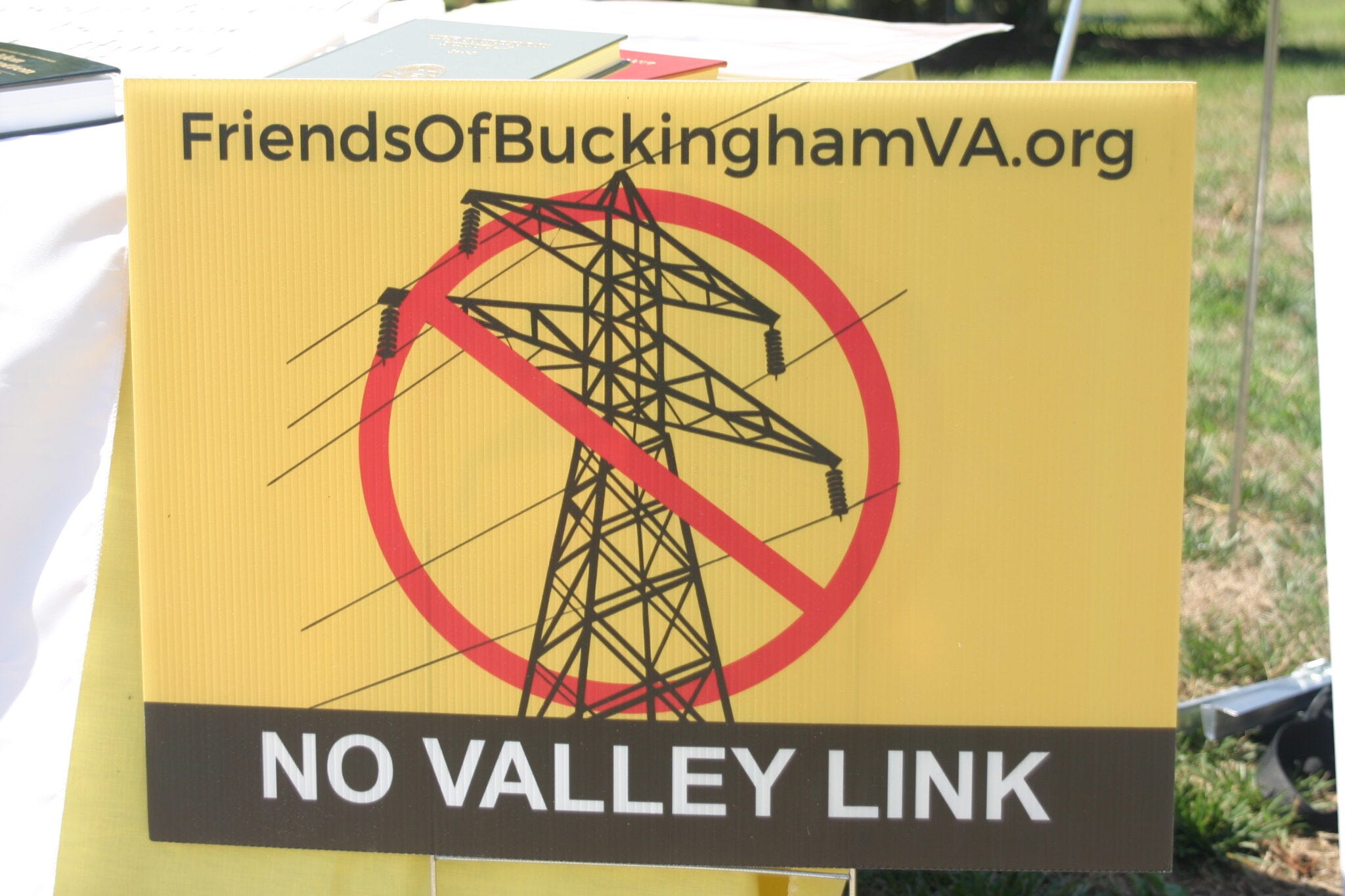
After a while, my main rival started straddling the fence, and by the end of the campaign, it seemed like opposing data centers was his only message, and he was also going to rallies protesting against an electric power transmission line planned for our area. (See the sign in the photo above.) And that’s who won.
I think he would have won, anyway, but I can’t say his political calculation was wrong. Opposing data centers became a very popular message and one that has bipartisan support, which is why he has carried it into the general election. Ironically, he is now using this issue to criticize the Republican incumbent for the one good thing he’s done: support for federal permitting reform.
Until recently, permitting reform was gaining bipartisan support as part of a general surge of “YIMBY” politics, a “Yes In My Back Yard” agenda that advocates reducing restrictions on building and development. The YIMBYs had succeeded by hitting the NIMBYs on two especially vulnerable issues: housing and green energy. They made people feel sheepish about opposing new housing by showing how this prices low-income people, especially young people, out of the market. And they made a good case that regulations intended to protect the environment are blocking all sorts of “green” projects that are supposed to be good for the environment, such as wind farms and solar farms and the transmission lines need to bring that electricity where it’s needed.
Then data centers came along, and it seemed like the only people who benefit from them are a bunch of tech CEOS in Silicon Valley. If the old anti-housing NIMBYism has become disreputable, data centers are still a reputable target—and all that repressed NIMBY energy came roaring back.
